Amazon’s new Fire TV Stick ships without working VPN apps at launch. The company has also moved to make sideloaded “dodgy” piracy apps harder to run on Fire devices.
That combination isn’t accidental. Amazon appears to be tightening the platform to placate rights holders, reduce device-based piracy, and close the loopholes people used to hide behind VPNs and side-loaded apps.

Facts about the Amazon’s new Fire TV Stick
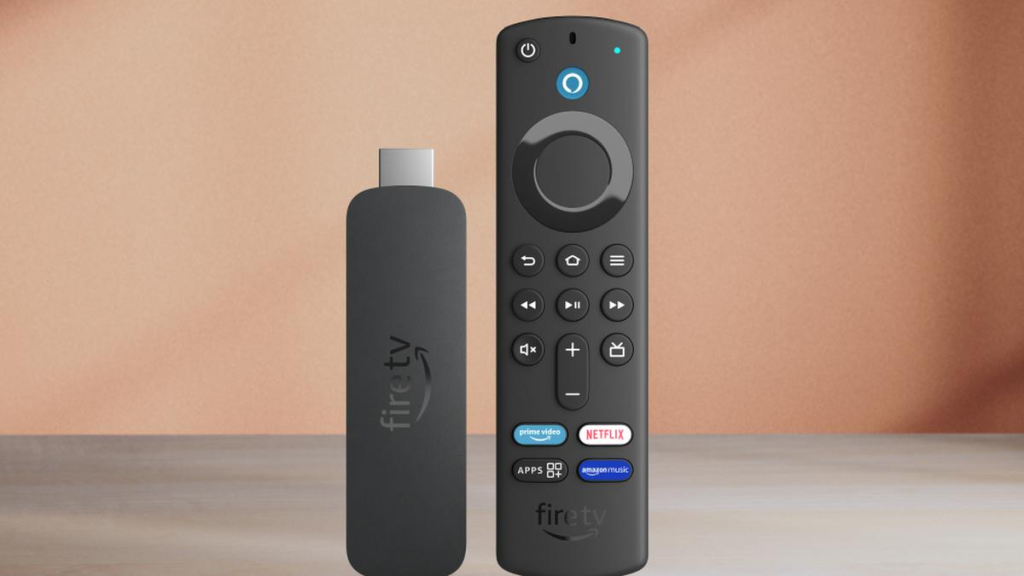
The tech giant released the Fire TV Stick 4K Select in October 2025. The new stick runs a new, Amazon-owned operating system called Vega OS. This is a Linux-based platform replacing the older Android-derived stack.
At retail availability, the device will not allow VPN apps to appear in the Amazon Appstore for that model. These firmware and platform changes are specifically to block a set of piracy-targeted apps, including preventing certain sideloaded apps from functioning.
The tech giant is also coordinating with industry anti-piracy groups, for example, the Alliance for Creativity and Entertainment, to block known piracy packages.
In fact, the product listing for the Fire TV Stick 4K Select explicitly calls out the tighter app policy. It says, “For enhanced security, only apps from the Amazon Appstore are available for download.”
Why Amazon is making this change
Amazon didn’t wake up one morning and decide to annoy you as its customers. These forces are pushing the change:
- Content rights pressure and high-value sports: Broadcasters, sports leagues, and studios have increasingly complained that Fire Sticks, especially modified or “fully loaded” sticks, power piracy. They note how easy-to-modify streaming sticks and sideloaded apps have become and want device manufacturers to do more.
- A move to a single-vetted app store: By moving Fire TV to Vega OS and restricting downloads to the Appstore by default, the tech giant will reduce the attack surface for malware, fraud, and piracy.
- Advertisement perks: The platform is now more attractive to studios and advertisers who fear reputational damage or revenue loss from pirated content. From Amazon’s standpoint, the trade-off is clearer business relationships and lower legal risk.
How is the industry reacting to Amazon’s new Fire Stick?
The reception of this new device is mixed. Here is a breakdown:
VPN vendors
They’re publicly quiet and privately busy. NordVPN publicly said it has a Vega-compatible app ready and is waiting on Amazon’s update.
A NordVPN spokesperson told outlets: “At initial retail availability, the new Fire TV 4K Select running Vega OS won’t support VPN apps, so NordVPN won’t be available in the App Store on day one… Amazon plans to enable VPN protocols via a software update in late October. Our app is ready.”
Surfshark and others say they’re working on Vega OS compatibility.
Rights holders and anti-piracy coalitions
They welcomed the move. As mentioned, Groups like the Alliance for Creativity and Entertainment (ACE) have pushed for platform-level action, and Amazon’s blocklist and anti-sideload measures align with those demands.
Competitors
Roku has long refused to support in-app VPNs, limiting some use cases. Apple’s tvOS and Google’s Android-based Chromecast devices and Android TV boxes still support VPNs and sideloading.
How does the new Fire TV anti-piracy move affect you?
Here’s how each use case of your device changes under Amazon’s new approach:
- If you use VPNs for privacy/security: You’ll likely face a short-term inconvenience. The new Fire Stick still lacks VPN app availability. If you need a VPN now, don’t buy the new Select model.
- If you use VPNs for geo-unblocking streaming catalogs: That use case is affected in the same way. You won’t be able to change your Fire Stick’s location using an on-device VPN until Amazon enables the necessary OS support. Router-level VPNs or smart-DNS services remain possible workarounds but require tech setup.
- If you sideload apps (including legitimate sideloading like developer testing): Expect friction. Amazon has signaled it will render certain blocked pirated apps inoperable, even if sideloaded. That reduces the utility and safety of sideloading as a workaround and means some apps that previously survived sideloading will no longer work.
- If you used the Fire Stick in an enterprise or kiosk setting: The new device’s locked-down posture increases predictability for IT with fewer unknown apps and easier app governance. That’s a plus, but it also limits flexibility for customized deployments.
Will this work to eradicate piracy?
The short answer is that it will make device-based piracy harder, but it won’t end piracy.
Device-makers that block sideloaded pirate apps and restrict VPNs remove a convenient path to illegal streams. That will reduce casual piracy and take business away from opportunistic resellers who sell “fully loaded” devices.
However, history shows that pirates move to web-based streams, smart DNS, illicit IPTV subscriptions delivered via cloud servers, or hacked routers. Some piracy networks will pivot to new techniques.
Anti-piracy wins are never permanent; they raise cost and reduce scale, but they don’t permanently eliminate the incentive to pirate.