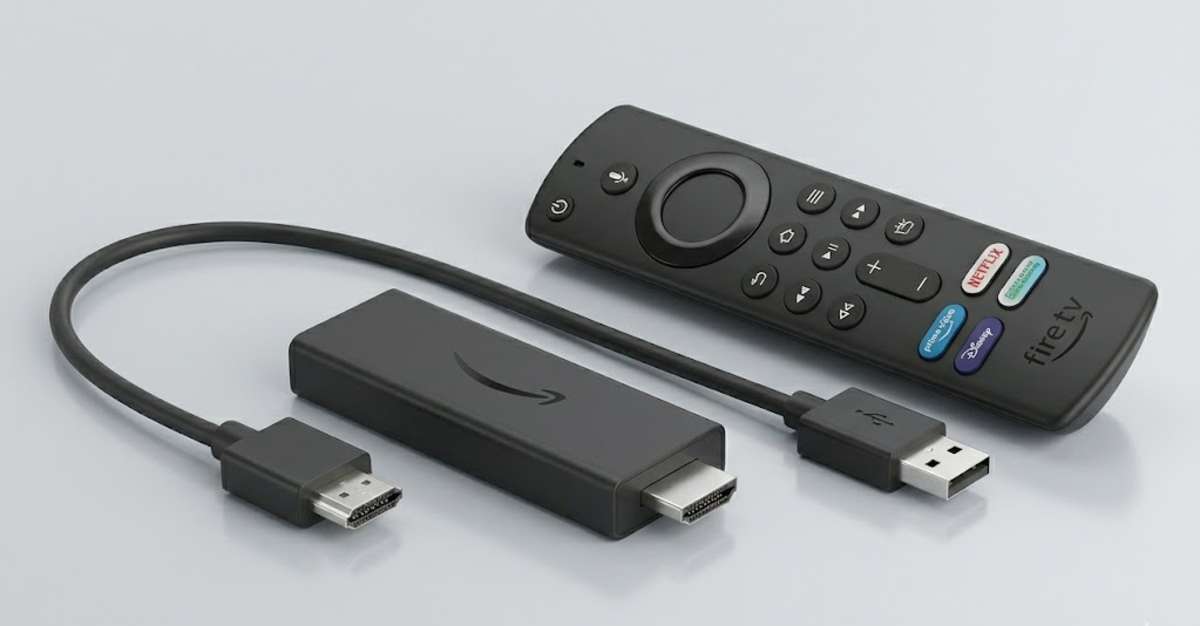
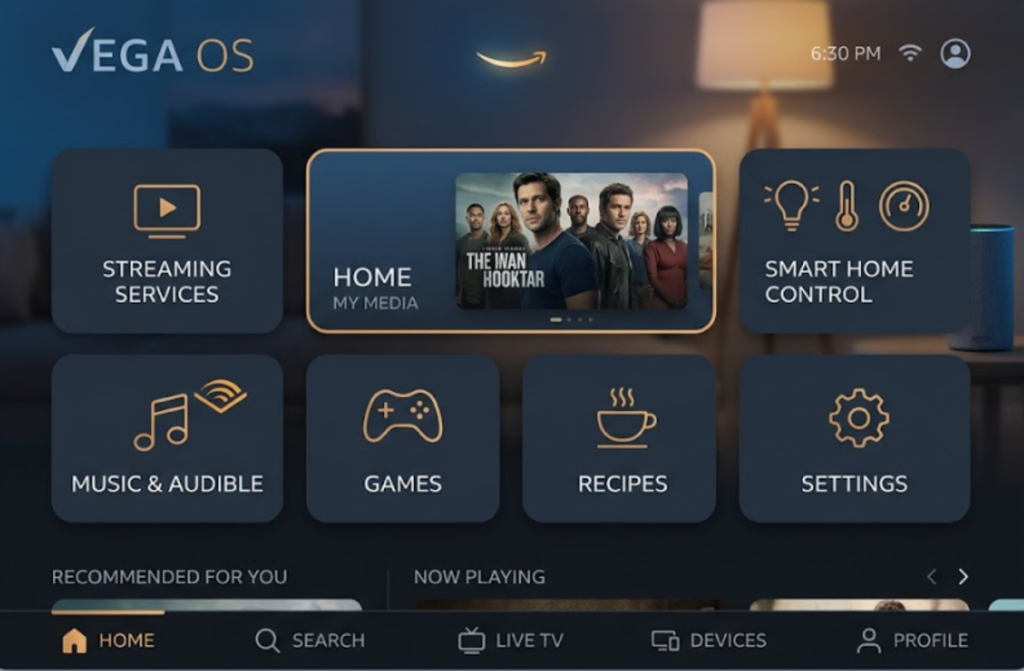
Amazon’s launch of the new Fire TV Stick HD has frustrated many cord-cutters. The device no longer uses the Android-based Fire OS and instead runs on Amazon’s own locked Vega OS.
Available for preorder at $34.99, the device is the second Fire TV Stick to adopt the Linux-based operating system after the Fire TV Stick 4K Select. The switch ends sideloading on the new HD model and marks the end of Android support for all future Fire TV Sticks.
Why the Fire TV Stick HD has faced backlash
Vega OS restricts users to apps from Amazon’s official Appstore. Unlike Fire OS, which runs on Android and allows installation of third-party APKs via tools like Downloader, Vega OS blocks sideloading entirely.
This eliminates popular workarounds for custom launchers, local media streaming, and many streaming apps not available in Amazon’s store. Consumers who relied on Fire TV Sticks for flexible, affordable streaming are most affected.
Many bought the devices specifically to sideload apps that provide access to free or niche content beyond Netflix, Prime Video, or Disney+. With Vega OS, those options disappear, forcing users into Amazon’s curated ecosystem.
Fire TV Stick HD promises faster performance
The new Fire TV Stick HD is 30% slimmer, adds Wi-Fi 6 and Bluetooth 5.3, and offers over 30% faster performance. However, it ships without a power adapter or HDMI extender.
These items are now sold separately for $19.99 and $5.99, while the device keeps the $34.99 price of its predecessor. Amazon promotes powering the device directly from a TV’s USB port for easier setup and travel. However, users warn that this risks bricking the stick during updates or power interruptions.
How Amazon has responded to the Fire TV Stick HD backlash
Amazon defends the shift as a move toward a more secure, streamlined platform. It is designed to prevent unsafe or illegal apps, particularly those enabling piracy.
Vega OS delivers quicker app launches and a cleaner interface without Android’s overhead. Company executives have described it as a long-term strategy to future-proof devices while reducing reliance on third-party ecosystems.
The backlash extends beyond power users. Millions of households use Fire TV Sticks as primary streaming devices in living rooms and bedrooms.
The locked OS removes the freedom that made the product a budget favorite for cord-cutters who sideload apps for sports, international channels, or ad-free viewing. With no path to install alternatives, affected consumers face higher costs to access the same content through official subscriptions or must replace their devices with open-platform alternatives.