Regional sports networks (RSNs) used to keep local fans tied to their cable providers for years. But now this business model is close to collapsing.
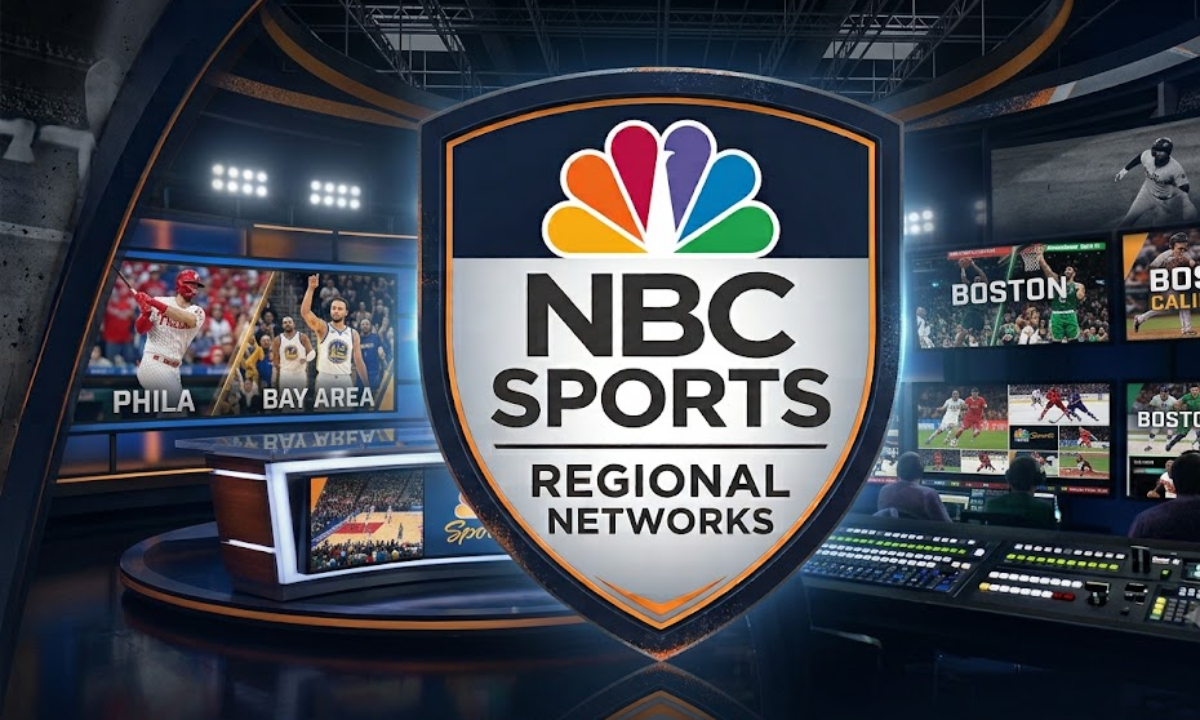
A detailed report by Matt Gelb of The Athletic says that industry experts think NBC Sports Regional Networks are heading for an uncertain financial future as their parent company slowly pulls out of local broadcasting.
Why are the channels shutting down now?
With NBC Sports RSNs changing, the days of having all your home-team games on one easy-to-find channel are ending. Now, viewers face a confusing and costly mix of streaming apps, surprise blackouts, and extra local fees.
For a long time, RSNs made money by charging every cable subscriber extra for sports channels, even if they never watched live sports.
Back when pay-TV was at its peak, cable companies paid big fees per subscriber to keep loyal local fans from switching to other providers. But as more people cancel cable, networks have lost the steady base they need to pay for costly, long-term team broadcast deals.
As a result, major streaming services like YouTube TV, Hulu + Live TV, and Sling TV have stopped carrying local sports networks. This has left many fans frustrated and unable to watch their home teams on popular streaming platforms.
What teams are affected by the collapsing network?
The quick decline of regional sports networks is affecting big fanbases all over the country. Even though NBC Sports now only runs four regional networks (Philadelphia, Bay Area, California, and Boston), it still owns the local TV rights for famous teams like the Philadelphia Phillies, Golden State Warriors, Boston Celtics, and San Francisco Giants.
For example, the Phillies have a huge 25-year, $2.5 billion TV rights deal with NBC that lasts until 2041. If NBC ends its regional sports business, millions of loyal fans in these big cities could lose their regular access to evening games.
How the NBC Sports RSNs’ future will change how you watch games
To keep up with these changes, major sports leagues are quickly creating new digital options that go straight to consumers.
According to the Sports Business Journal, the NBA plans to launch its own central streaming service with big tech companies like Google or Amazon, possibly as soon as the 2027-2028 season.
Major League Baseball is also getting ready to package its local broadcast rights and sell them straight to large streaming services after its national TV deals end. These new digital platforms may end geographic blackouts, but they will likely make fans pay more out of pocket.
Regular sports fans will end up paying more because of these big changes. Instead of one simple cable package, people will need to sign up for several different streaming services, over-the-air channels, and team apps just to watch one season.
As regional networks dissolve, the convenience of local sports fandom is being replaced by a complex digital maze that requires multiple passwords, higher monthly fees, and separate billing cycles.
With big companies leaving the regional sports business, an era is ending. Fans now have to decide how much they are really willing to spend to watch their favorite home teams play.