Indie and foreign films offer unique storytelling. Their videos also have a different cinematic style compared to what you are used to.
The best streaming services to follow content in this genre are usually the paid ones. This is because they have deeper catalogs and more deliberate curation. However, a few free options standout.

Free options to watch indie and foreign films
These services offer permanent legal access without a paid streaming subscription:
1. Kanopy
- Device support: All major TV OS and phones.
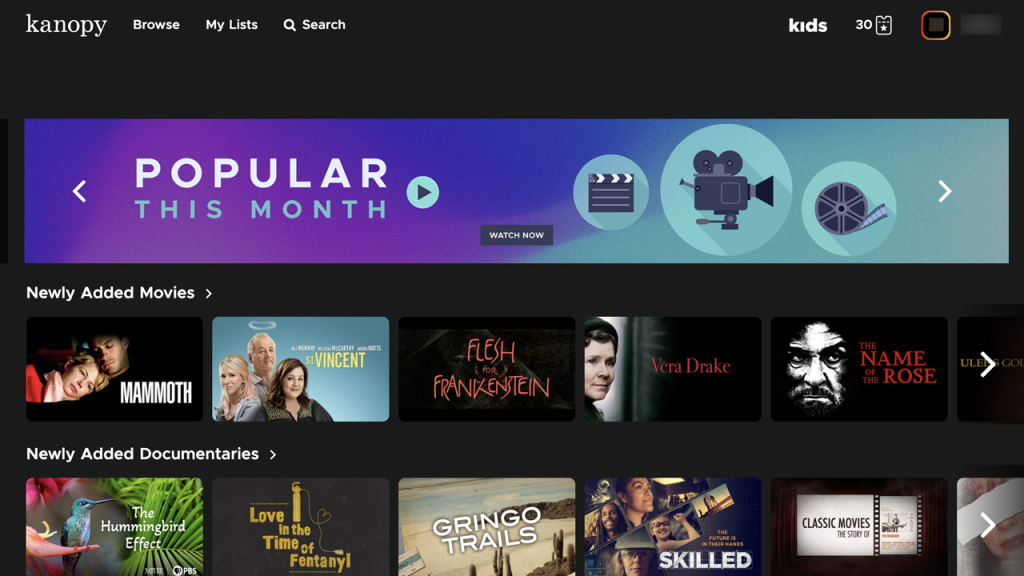
Kanopy should be your first stop when your public library or university participates. Its catalog is built around independent films. It offers world cinema, documentaries, educational titles, and classic releases rather than mainstream studio entertainment.
Pros:
- The catalog gives indie, documentary, classic, and international films clear priority.
- Films play without commercial breaks.
- A university login or participating library card covers the cost.
- Curated collections help you move beyond familiar English-language releases.
Cons:
- Your local library might not participate.
2. Hoopla
- Device support: Major TV OS, Kindle Fire, mobile apps, and desktop playback.
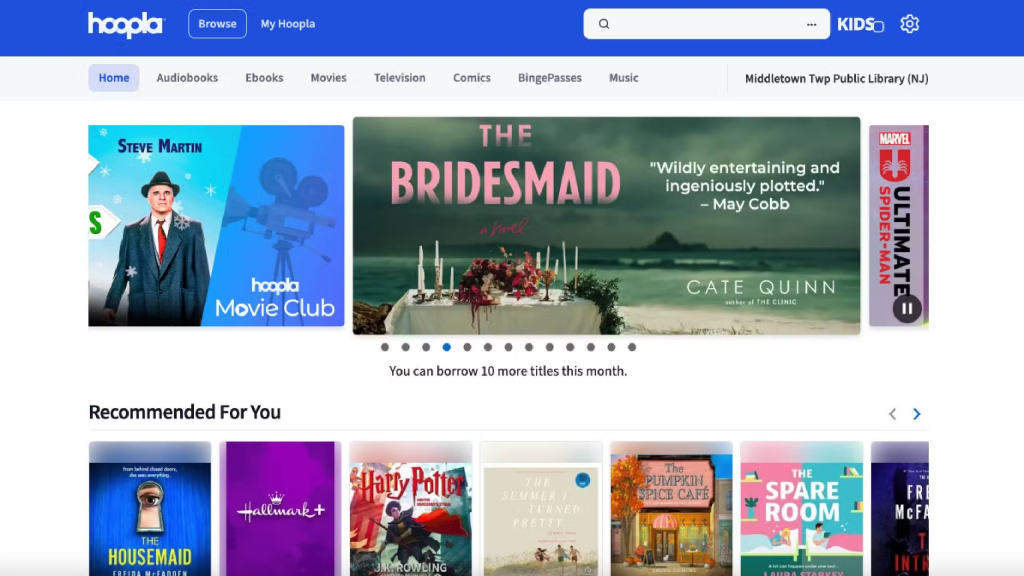
Hoopla gives you free movie borrowing. However, you need a participating public library.
Its selection includes independent dramas mainly. You will also find international releases, documentaries, festival films, and older distributor catalogs.
Pros:
- A valid library card removes monthly subscription costs.
- Movies usually play without advertising.
- Mobile downloads support offline film nights and travel.
- You get more direct title selection than on free scheduled channels.
Cons:
- Your monthly borrowing allowance depends on your library.
- Popular new titles could use a limited Flex borrowing system or holds.
3. Tubi
- Device support: All devices with access to the internet.
The service has dedicated sections for international and foreign-language films. This is along with a much broader collection of low-budget independent releases.
You could move between Asian action, European drama, or Latin American cinema. There are sections for African productions, documentaries, festival discoveries, and independent American films as well.
Pros:
- Dedicated foreign-film categories simplify browsing.
- No credit card or paid account is required.
- The catalog covers more countries and low-budget productions than most free competitors.
- Game-console and smart-TV support is extensive.
Cons:
- Commercial breaks interrupt every film.
- Curation is lighter than on specialist cinema services.
4. AsianCrush
- Device support: Has apps on major OS and browser playback.
AsianCrush focuses on films and television from South Korea, Japan, China, Hong Kong, Thailand, and other Asian markets. A free account gives you access to part of the library with advertising, making the service useful when your interests are more specific than the mixed international sections.
Pros:
- Free registration opens a meaningful ad-supported catalog.
- Movies sit beside dramas, documentaries, and live channels from the same regions.
- The narrow focus reduces time spent searching through unrelated genres.
Cons:
- Part of the catalog requires Premium.
5. Pluto TV
- Device support: The app covers smart televisions, mobile, streaming sticks, game consoles, and updated desktop browsers.
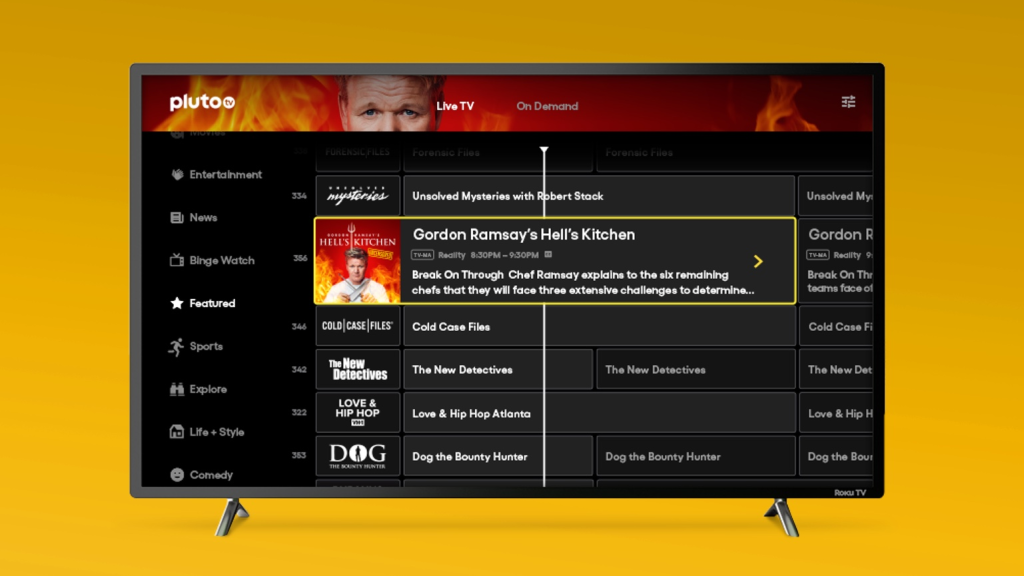
This service offers a World Cinema collection alongside free movie channels and on-demand categories. Its rotating lineup often includes dubbed international genre movies, cult films, older independent releases, and titles from smaller distributors.
Pros:
- World Cinema receives its own on-demand collection.
- Live channels work well when you do not have a specific title in mind.
- No subscription or payment method is required.
- The interface mixes movie channels with selectable films.
Cons:
- Scheduled channels do not always support restarting a film.
6. Plex
- Device support: Reaches game consoles, smart TVs, phones and all connected devices.
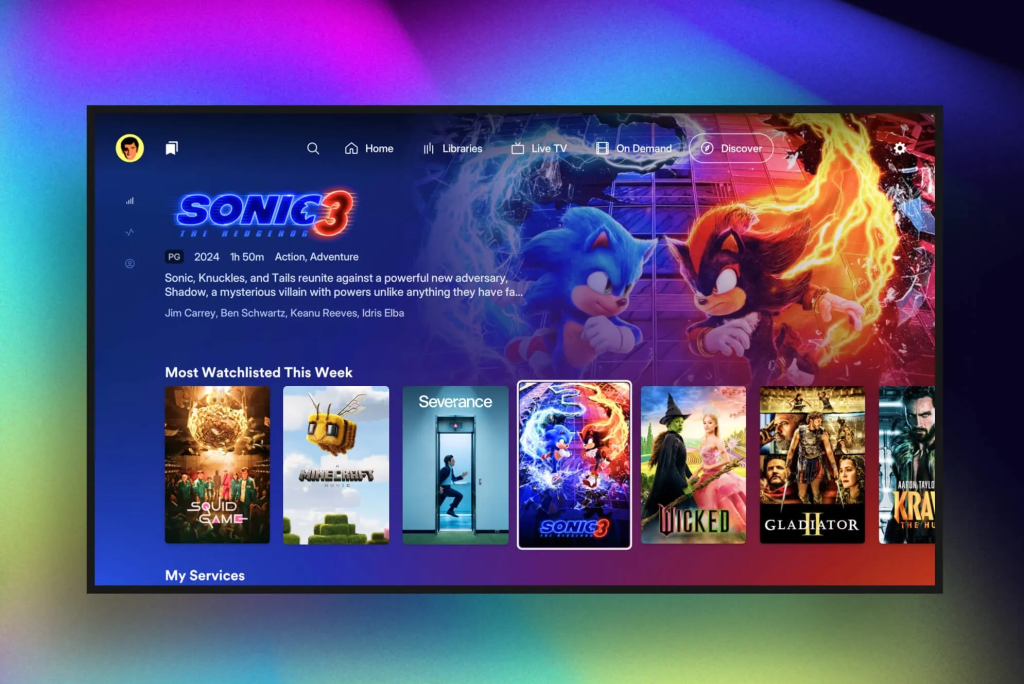
This giant provides free, fully licensed movies with advertising. Selections include international cinema, documentaries, older independent films, and cult titles.
Its universal search is especially helpful when you want to check whether a film sits on Plex or another service.
Pros:
- Universal search helps you track films across several streaming services.
- The free catalog includes documentaries, classics, and international titles.
- Console and home-theater support is extensive.
- A free account preserves watchlists across devices.
Cons:
- Search results mix free, rental, and outside-service listings.
- Free films include advertising.
7. The Roku Channel
- Device support: Access works on Roku hardware, selected Samsung televisions, Fire TV devices, mobile apps, and the website.
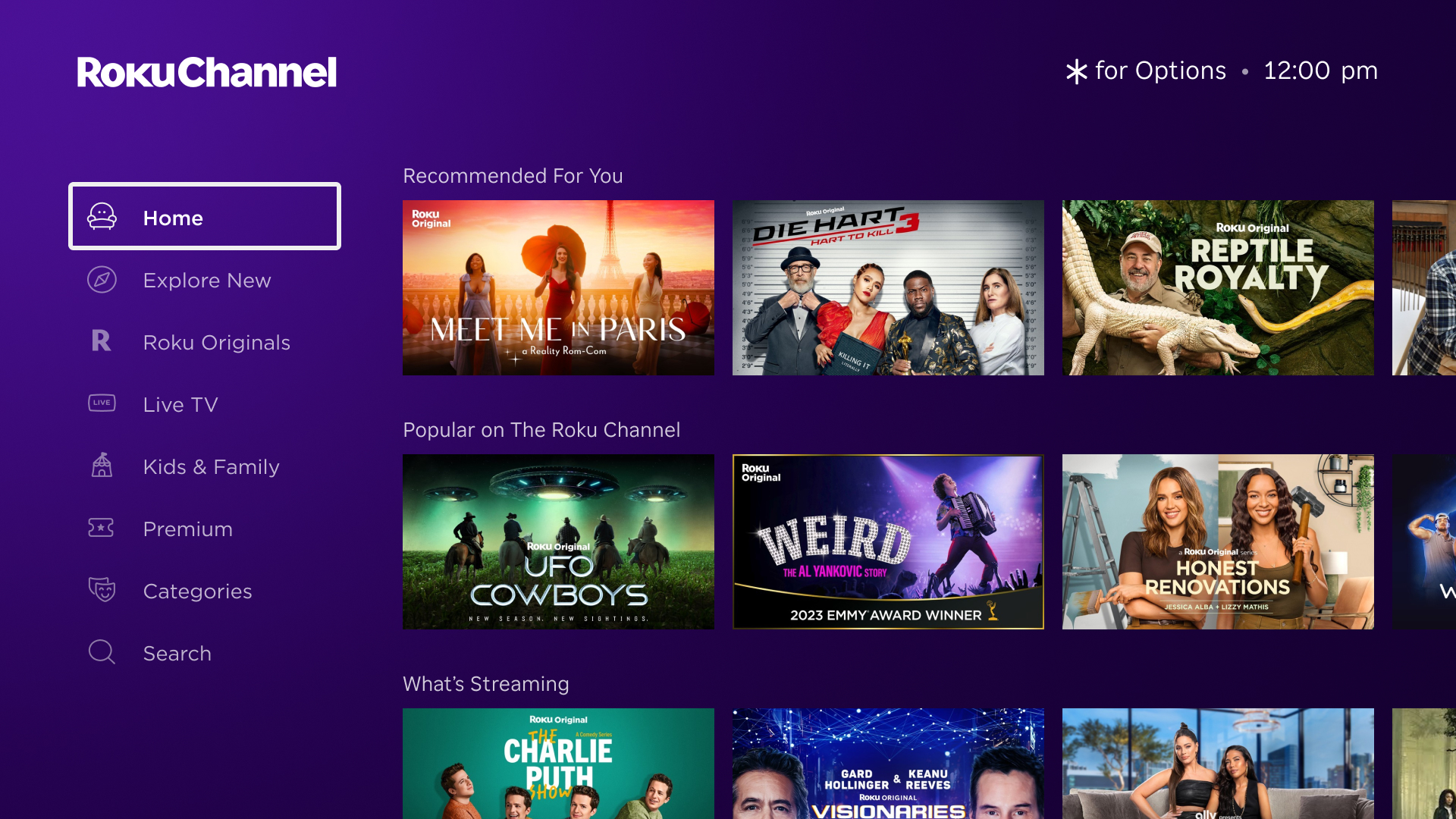
The Roku Channel adds another rotating source of free independent and international films. You do not need a physical Roku player because the website, mobile app, compatible Fire TV products, and selected Samsung televisions also provide access.
Pros:
- Free movies sit beside hundreds of live channels.
- Your account keeps playback progress synchronized.
- The rotating catalog occasionally surfaces films missing from larger free platforms.
Cons:
- Free and premium titles appear close together.
- Commercials interrupt free films.
Paid options to watch indie and foreign films
These subscriptions provide the best catalogs:.
1. MUBI
- Starting price (Per month): $14.99
- Device support: All connected devices.
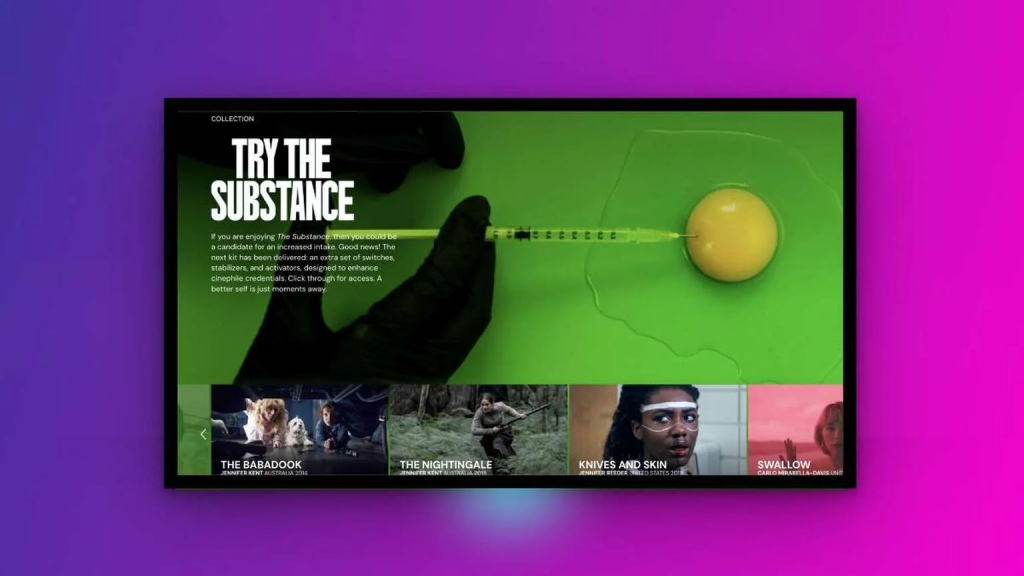
Here, you’ll get a blend of a curated streaming library with films the service acquires and distributes. You will find festival premieres, filmmaker retrospectives, experimental work, restorations, documentaries, shorts, and recent international releases. These often reach MUBI before appearing elsewhere.
Pros:
- Festival films and newer arthouse titles arrive regularly.
- Editorial notes explain why each selection matters.
- Mobile downloads support offline viewing.
Cons:
- The monthly price is high for a specialist catalog.
2. Kino Film Collection
- Starting price (Per month): $5.99
- Device support: Connected-TV platforms and mobile.
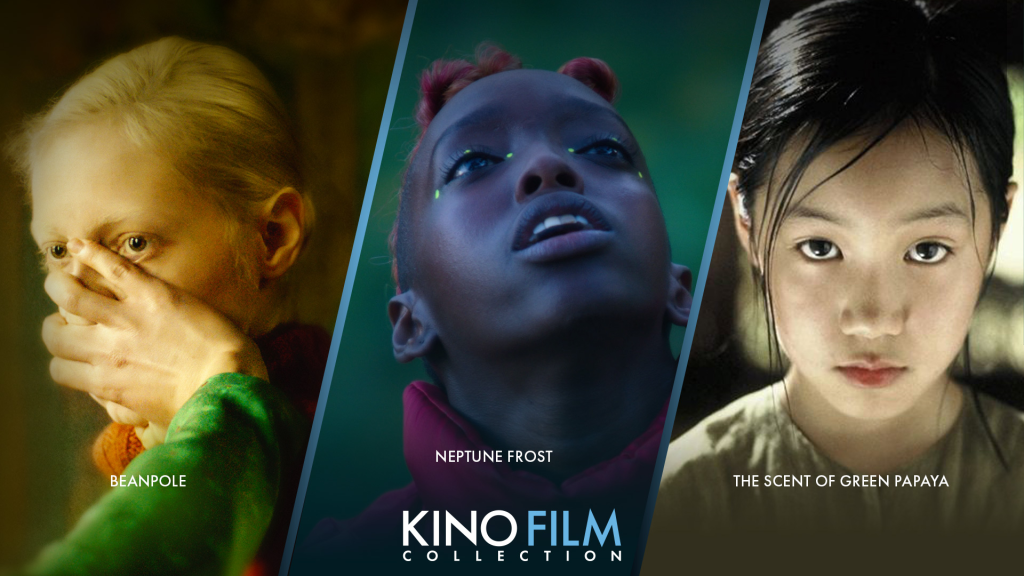
This service gives you direct access to Kino Lorber’s catalog of arthouse films.
It also includes restored classics and documentaries. A few festival selections and international releases are uploaded. New films arrive weekly, including titles from established directors and recent theatrical runs.
Pros:
- The monthly price is lower than most specialist film subscriptions.
- Kino Lorber’s catalog includes restorations, new theatrical releases, and world cinema.
- New films arrive every week.
Cons:
- The library is smaller than broad entertainment services.
- Some titles differ by territory because of licensing.
3. Film Movement Plus
- Starting price (Per month): $5.99
- Device support: Stream through connected devices.

Film Movement Plus focuses on independent and world cinema. These are acquired through festivals and specialty distribution.
Here, you will find international dramas, documentaries, and shorts. You also get LGBTQ+ films, cult discoveries, and arthouse classics rather than blockbuster studio releases.
Pros:
- Festival discoveries and independent international releases receive priority.
- Short films are better represented than on most paid services.
- The monthly plan costs less.
Cons:
- The overall library is relatively small.
4. OVID.tv
- Starting price (Per month): $6.99
- Device support: All browsers, official apps on major OS.
OVID.tv specializes in independent documentaries and social-issue films, It also has global cinema, experimental work, and fiction from smaller distributors.
The library is commercial-free. It draws from several respected independent film companies rather than one studio catalog.
Pros:
- The service gives documentaries and social-issue films unusual depth.
- Movies stream without commercial breaks.
- Weekly additions keep the catalog active.
- Mobile downloads support offline viewing.
Cons:
- Some archival titles have modest source quality.
5. Metrograph At Home
- Starting price (Per month): $5.00
- Device support: All major TV operating systems, Xbox, Chromecast, mobile apps, and computers.
Metrograph At Home brings the programming style of New York’s Metrograph cinema to a nationwide streaming membership. Each month adds independent and international premieres, restorations, repertory selections, shorts, filmmaker conversations, and themed collections.
Pros:
- The $5 plan includes carefully selected indie and international films.
- Monthly premieres and restorations mirror independent-theater programming.
- Mobile downloads support offline viewing.
Cons:
- The active library is smaller than Criterion or MUBI.