Most major operating systems are updating their Smart TV interfaces to support vertical video, a trend known as Vertical TV. This shift is changing how people use their TVs and find new content.
Which platforms have adopted the Vertical TV feature?
Nearly all major operating systems now support Vertical TV. Here are some examples:
Google TV
Google TV has led the way in bringing vertical content to the main TV experience. In late April 2026, Google added a “Short videos for you” row right on the home screen.
This puts YouTube Shorts next to blockbuster movies and regular TV channels. Now, users can watch vertical content without opening the YouTube app.
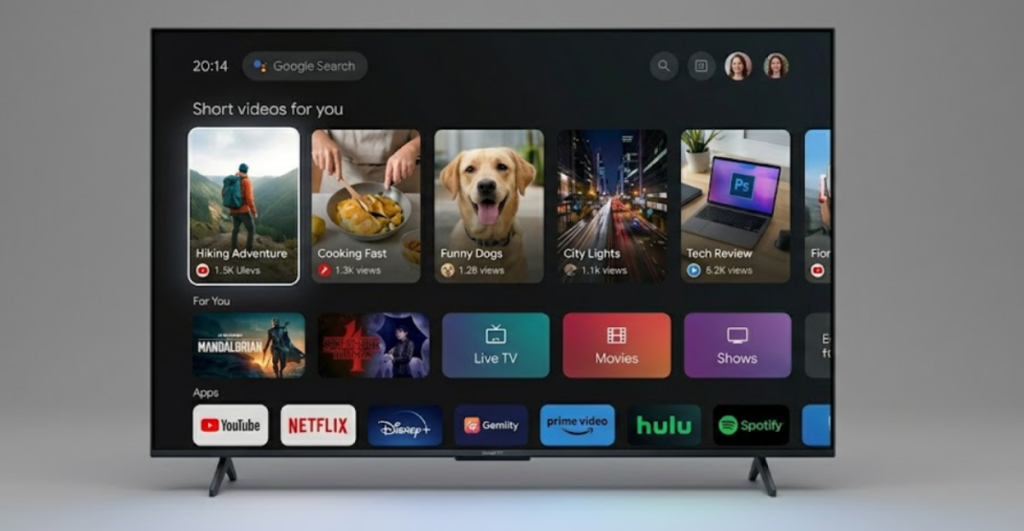
The content is chosen by algorithms that look at your YouTube viewing habits and overall activity on the platform.
Samsung Tizen OS (hardware and portrait mode)
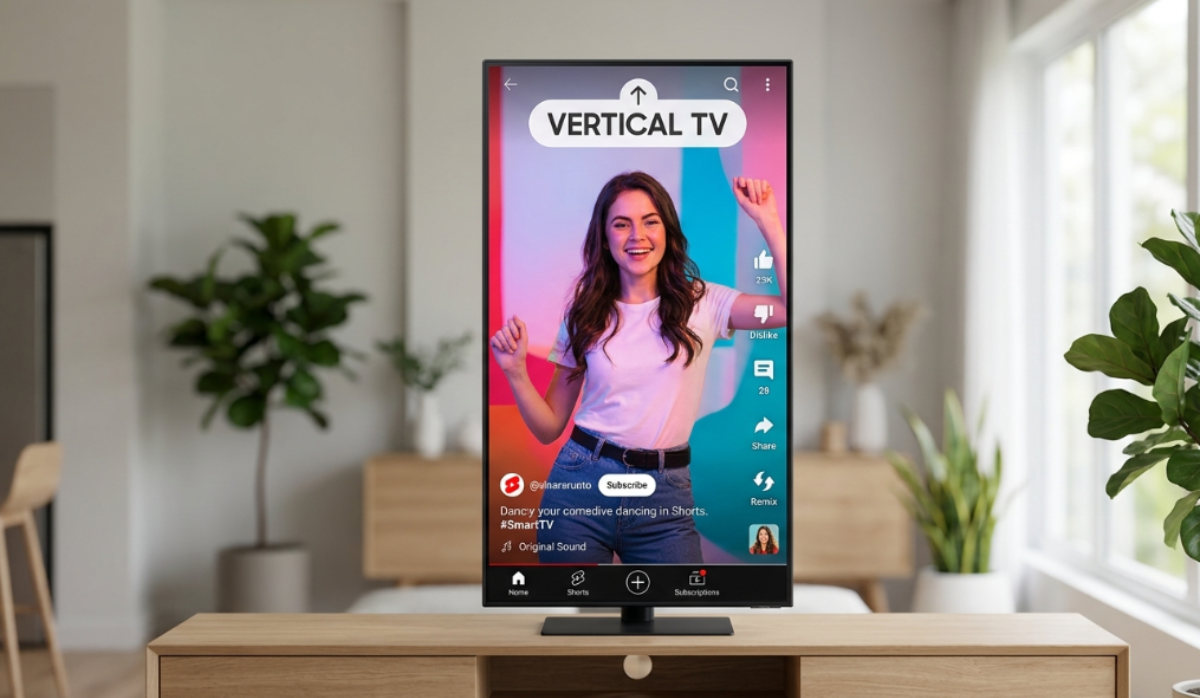
Samsung leads in hardware with its rotating TV, The Sero, and its Tizen-based Smart Monitors. The 2026 Tizen OS updates improved Portrait Mode, letting the screen rotate physically or digitally to match a smartphone’s orientation.
This is especially helpful for fitness apps and social media, where a vertical view gives a better, full-body look at trainers or influencers.
Roku OS
Roku is making its biggest home screen update in over ten years. Instead of the old static app grid, the new Roku OS has a larger “Top Picks for You” section with vertical tiles.
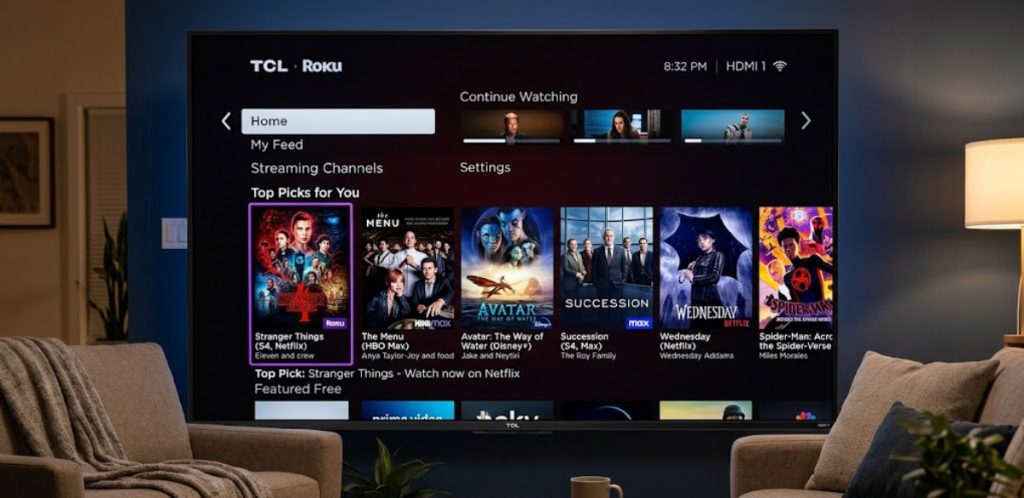
These tiles automatically play short highlights from movies, sports, and news, similar to how social feeds work on phones. This change puts more focus on algorithm-driven discovery instead of letting users arrange their own apps.
Disney+
Disney+ now has a special in-app format called “Verts.” It is a vertical feed where subscribers can swipe through trailers, action clips, and behind-the-scenes videos.
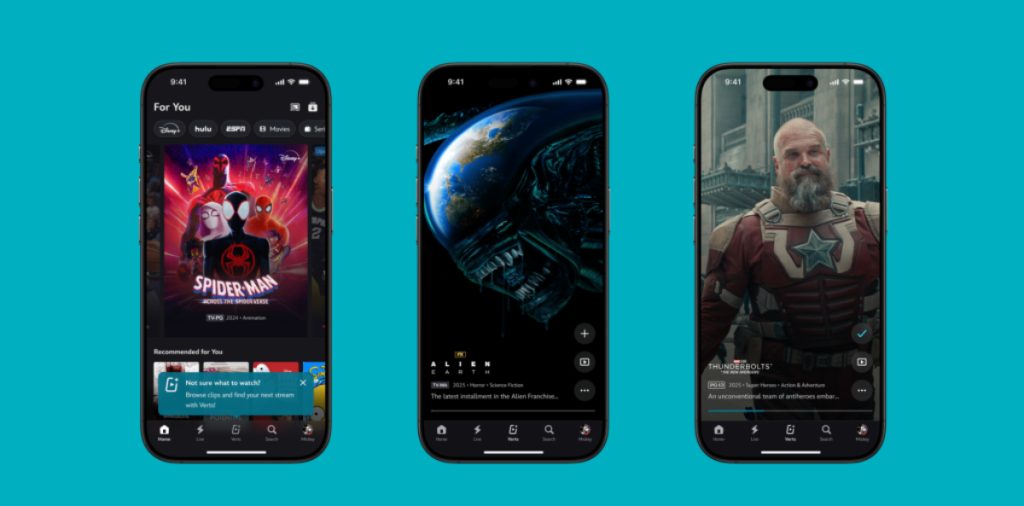
The idea is to help people avoid choice overload by letting them sample content in short clips before deciding to watch a full movie in the usual horizontal format.
LG webOS
With webOS 26, LG is focusing on the visual appeal of vertical screens. The platform uses AI to create vertical art and photos for TVs set up in portrait mode. This trend is popular in today’s smart homes.
LG has also improved its built-in social media apps, like TikTok, so they fill the screen and give a more immersive experience on big TVs.
What about Amazon and Apple TV?
While Google, Samsung, and Roku have quickly adopted vertical layouts, Amazon and Apple are more cautious and have stuck to traditional designs.
As of mid-2026, they still focus on traditional horizontal viewing, but are starting to add vertical content in smaller, more integrated ways.
Here is how these two giants are handling the Vertical TV trend:
Amazon Fire TV
Amazon is in the middle of a big transition as it moves devices like the 2026 Fire TV Stick HD to its own Vega OS. Unlike Google TV, Amazon keeps the main TV interface horizontal, but is adding vertical content to its companion apps.
In May 2026, Amazon launched a vertical, scrollable feed called “Clips” in the Prime Video mobile and tablet apps. Users can scroll through short moments from movies and NBA highlights to find something to watch, then send it to their TV.
Since Vega OS makes it harder to install third-party Android apps, users who used custom vertical TikTok or Instagram players on Fire TV now have to stick with Amazon’s horizontal-only setup.
Amazon has also started testing vertical-style sponsored tiles on the home screen that look like mobile ads. This shows they see how well the format grabs attention.
Apple TV / tvOS
Apple is still the biggest holdout against turning the living room into a TikTok-like space. Their approach with Apple TV (tvOS) focuses on high-quality, cinematic experiences instead of social scrolling.
Apple’s answer to Vertical TV isn’t a built-in home screen feed, but AirPlay 2. They expect users to find vertical content on their iPhones and mirror it to the TV.
A 2026 update to tvOS improved Pillar-box rendering, so AirPlayed vertical videos now look better with dynamic, blurred backgrounds.
The only place Apple uses vertical video natively is in Fitness+. The workouts are shot so that when you stand in front of your TV, you can see the trainer’s full-body movements, giving a portrait-like feel even on a horizontal screen.
Apple has always refused to add algorithmic “Shorts” rows to its home screen. Instead, it promotes the Apple TV 4K as a premium place for movies and top-quality shows, away from the clutter of short-form social media.
Vertical TV has moved from being just a mobile habit to a built-in feature in today’s living rooms. For most people, this is more than just a software update. Instead, it is a big change in how we watch TV.