A disagreement between DIRECTV and E.W. Scripps Local Media has led to 54 local TV stations going dark in 36 markets.
The blackout began at 7 p.m. ET on May 31 and is still ongoing. ABC, NBC, CBS, Fox affiliates, and other channels are unavailable for DIRECTV satellite, streaming, and U-verse customers.
DIRECTV says Scripps asked for the highest retransmission rates it has ever seen from a station group. DIRECTV claims this would raise costs for customers who are already concerned about prices.
Scripps says it tried to negotiate fairly and blames DIRECTV for the standoff.
The blackout affects regular viewers who depend on local stations for news, weather, and community updates. Many households are now missing daily news, emergency alerts, and coverage of the June state and local primary elections.
Sports fans are also affected. Scripps owns several ABC affiliates, including in Las Vegas, so viewers there cannot watch the Golden Knights Stanley Cup Final games on local TV. The NBA Finals on ABC and the upcoming U.S. Open golf on NBC are also at risk in these areas.
What markets are the most affected by the DIRECTV Scripps blackout?
Major cities affected include Las Vegas, Baltimore, Buffalo, Cincinnati, Cleveland, Denver, Detroit, Kansas City, Miami, Milwaukee, Nashville, Phoenix, Salt Lake City, Tampa-St. Petersburg, and West Palm Beach. Smaller cities like Boise and Omaha are also impacted.
In Detroit, viewers lost access to WXYZ (ABC) and WMYD. Florida markets, which recently faced a Scripps-Comcast blackout, are experiencing similar problems. Families hoping to watch local sports or the evening news are now seeing blank screens or error messages.
This is not the first time this has happened. Scripps stations were unavailable on Comcast for over a month earlier in 2026. These disputes often lead to higher carriage fees, which can mean higher bills for customers even after the channels return.
DIRECTV is asking customers to support fair deals that keep prices down. Scripps highlights the value of its local shows and large audience. Both companies know that viewers are stuck in the middle.
What should the affected customers do?
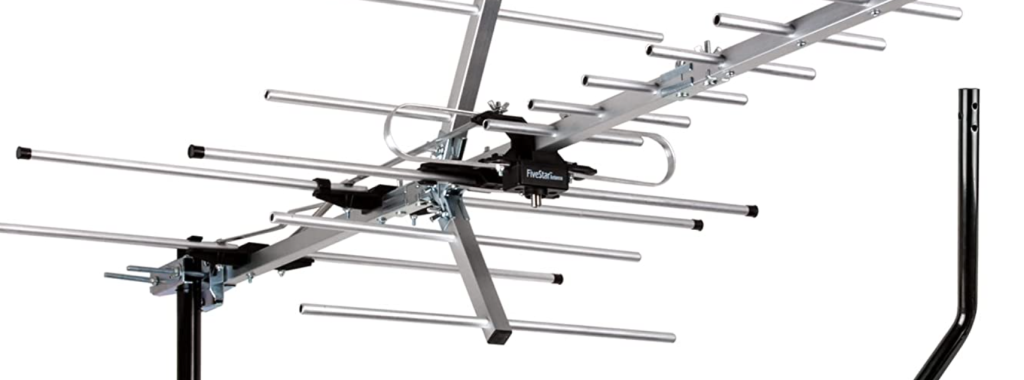
For now, people affected by the blackout can try using a basic indoor antenna to get free over-the-air broadcasts of the same local stations in most places.
Streaming services like YouTube TV, Hulu + Live TV, or Fubo might offer these channels in some areas, but they have their own monthly fees.
Sports fans can use apps like ESPN for national coverage, but they miss out on local commentary and pre-game shows that make the events unique. Gaps in election coverage could also leave some voters less informed before the primaries.
The situation is still changing, and as of June 5, 2026, there is no agreement yet. In the past, similar disputes have lasted from a few days to several weeks.