Streaming services like Netflix, Disney+, Hulu, Prime Video, and others all limit how many screens you can watch at the same time.
That limit usually depends on your plan and your country. Sometimes, even the type of content you are watching could play a role.
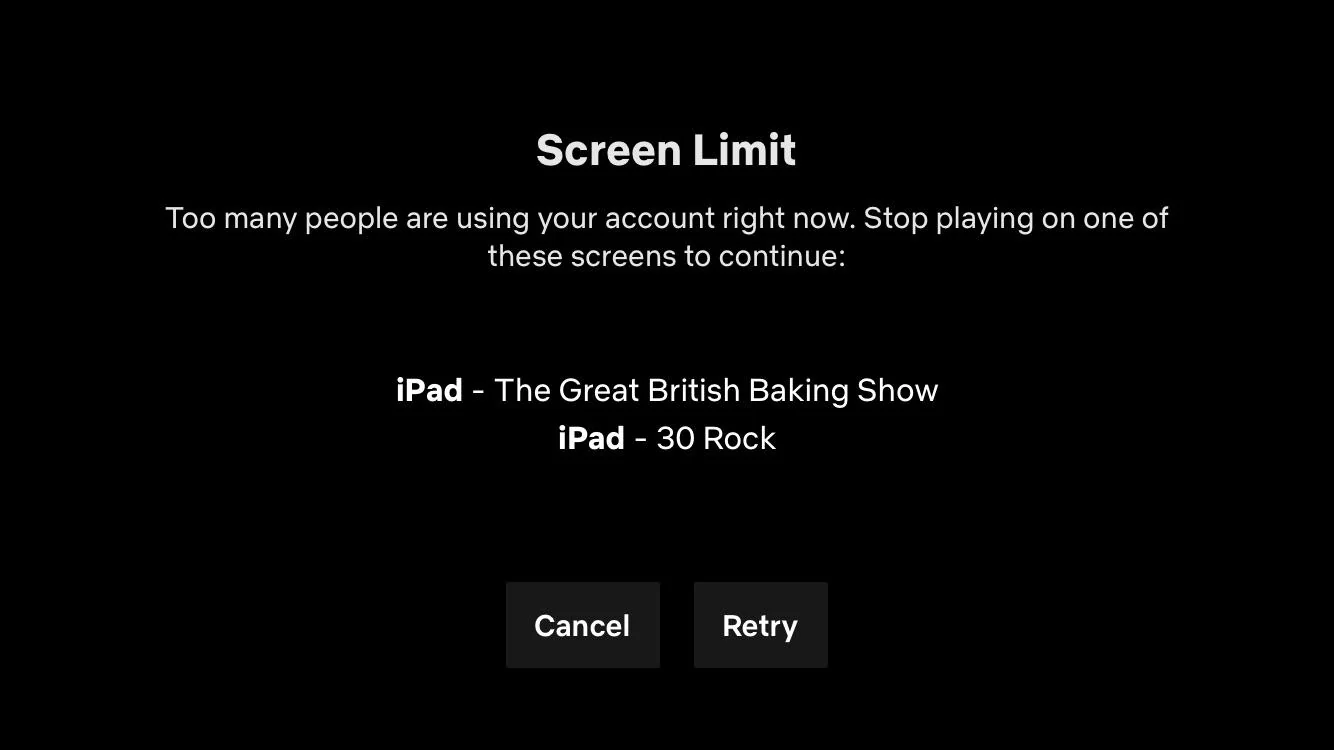
But why does this limit exist at all?
What a “screen limit” means
It means how many devices can watch at the same time using one account.
For example, your account could be signed in on many devices. This could be your phone, TV, laptop, and so on. But only a certain number will stream at the same moment.
So you might have your account on five devices, but only two or three people watch at once, depending on your plan.
Why services have streaming screen limits
Streaming companies do not set these limits randomly. There are a few clear reasons behind them.
1. To stop unlimited account sharing
If one account could stream on unlimited screens, one person could share it with many homes.
That would mean:
- Fewer paid subscriptions
- More unpaid viewers using one account
- Lower revenue for the service
Screen limits make sharing harder without paying more.
2. To create different price levels
Screen limits are also part of pricing.
A basic plan might allow only one screen. A premium plan might allow four.
This is intentional. It lets streaming services:
- Sell cheaper plans for individuals
- Sell expensive plans for families
- Push upgrades when you need more screens
3. To manage the internet and server load
Every stream uses bandwidth and server power.
If too many people stream from one account at once, the system has to handle multiple video feeds and qualities.
By limiting screens, services control performance and avoid overload during peak times like evenings or live sports.
4. To protect content rights
This is one of the most important reasons.
Streaming services do not fully “own” everything you watch. They license shows and movies from studios.
Those deals often include rules about:
- Where content can be shown
- How many simultaneous streams are allowed
- Whether live events have stricter limits
Live sports, for example, often have tighter restrictions because rights are more expensive and tightly controlled.
Why do different services have different limits?
You might notice something confusing: Netflix allows different screens than Disney+, and Hulu is different from Prime Video.
That happens because each company chooses a different balance between:
- Price
- Family sharing
- Competition
- Licensing costs
For example:
- Some services allow one stream on a basic plan
- Others allow two to four streams
- Live TV services often separate “home use” rules from regular streaming rules
So there is no global standard. Each platform sets its own system based on business strategy.
When these screen limits actually affect you
Screen limits matter most when:
- You live in a shared household
- People watch different shows at the same time
- Someone watches sports while others watch movies
- You use one account across different homes
- You travel and still stream from multiple devices
In those moments, the limit stops being a background rule and becomes something you feel directly.
Upgrading your plan for more screens is not just buying “extra access.” You are paying for more simultaneous streams, fewer interruptions, and a better family sharing experience.