For decades, satellite dishes on rooftops were the primary option for comprehensive home channel packages. Today, consumers must compare DIRECTV STREAM vs. Traditional Satellite Services as broadband technology changes how live television reaches our homes.
Choosing the wrong provider can mean surprise price increases, contract fees, or losing channels during storms. Both options have strong channel lineups, but their technology and pricing create very different daily experiences.
1. Installation and Setup: Plug-and-Play vs. Roof Mounting
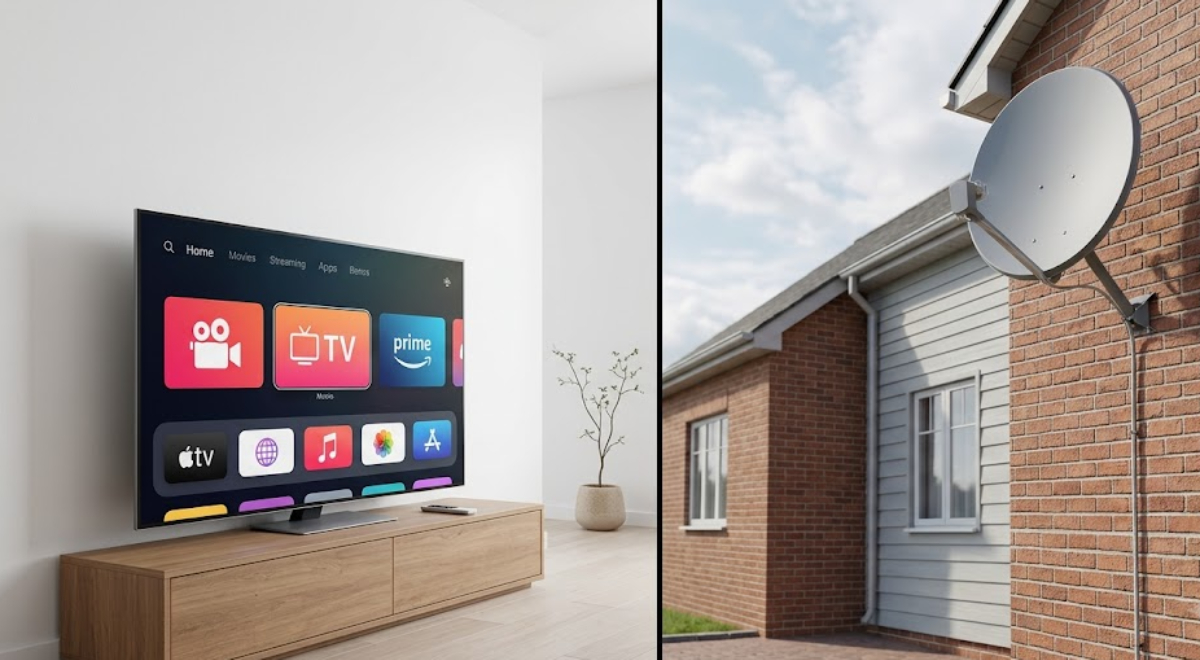
Traditional satellite TV uses an outdoor dish aimed at satellites. Setup usually requires a professional, drilling into walls, and running coaxial cables through your home.
DIRECTV STREAM works over your home Wi-Fi or Ethernet, so you do not need a professional to set it up. You can start watching live TV in minutes on smart TVs, Roku, Amazon Fire Stick, or Apple TV.
If you rent or do not want to drill into your roof, streaming helps you avoid landlord issues and keeps your space free of extra equipment.
2. Weather Outages vs. Internet Stability
Satellite signals can be blocked by bad weather like heavy rain, thick clouds, or snow. This can leave you without TV during storms.
Streaming is not affected by weather, so you get a clear picture no matter what it is like outside.
With streaming, you depend on your internet. If your connection is slow or goes out, your TV will stop working too.
3. Contracts and Fees
Satellite companies usually require two-year contracts with high fees for early cancellation. They often offer low prices the first year, but costs can jump significantly in the second year.
DIRECTV STREAM lets you pay month-to-month, so you are not locked into a long contract. You can cancel or pause your service anytime without extra fees.
Satellite bills often include extra charges for equipment rentals, sports channels, and receivers for each room. With streaming, you usually use your own devices and pay less for equipment.
4. DVR Storage and On-the-Go Mobility
Older satellite systems use DVR boxes with limited storage. You have to manage recordings and sometimes delete shows to make room for new ones.
DIRECTV STREAM gives you unlimited cloud DVR storage, so you can save as many shows and games as you want without worrying about running out of space.
Streaming also makes it easy to watch TV on the go. Unlike satellite, which usually works only on your living room TV, streaming lets you watch all your channels on your phone, tablet, or laptop anywhere in the country.
5. Picture Quality and Channel Packaging
Satellite TV sends a steady, uncompressed signal right to your dish. This means you get reliable 1080p and 4K live broadcasts without buffering.
Streaming services can also provide HD and 4K video, but quality depends on your home internet speed. If others are gaming or downloading, you might see buffering.
Satellite offers many channels, including special interests. Streaming usually has simpler packages with popular entertainment, local channels, and regional sports.
DIRECTV STREAM: Pros and Cons
Pros
- Month-to-month flexibility allows you to cancel or change plans anytime without early termination penalties.
- Uses your existing smart TVs, streaming sticks, or mobile devices without waiting for a technician.
- Store unlimited live TV recordings in the cloud across all your connected profiles.
- Rain, snow, and wind won’t interrupt your live TV broadcast.
- Take your live channels, regional sports, and DVR content anywhere on mobile devices.
Cons
- Video quality and channel switching depend entirely on your home internet speed.
- Offers a slightly smaller total channel count compared to high-tier satellite packages.
- More expensive than standard live streaming competitors like YouTube TV or Sling.
Traditional Satellite Services: Pros and Cons
Pros
- Works in remote or rural areas where high-speed broadband internet is unavailable.
- Unlocks up to 340+ channels, including international, niche, and specialized audio networks.
- Independent of internet usage; won’t buffer when other household members stream or game.
- Physical Genie DVR holds recordings locally without relying on cloud connection speeds.
Cons
- Locked into long-term agreements with steep cancellation fees if you break service early.
- Severe storms and heavy snow can cause frequent “rain fade” signal loss.
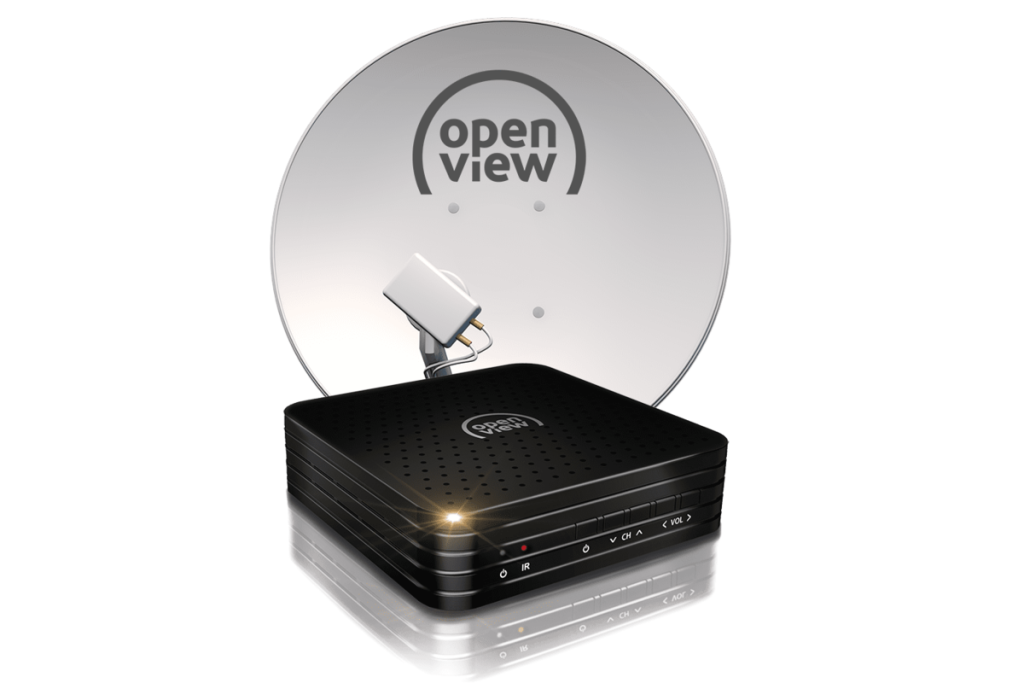
- Requires a dish mounted on your roof or exterior wall, plus coax cables and box rentals for every TV.
- Steep monthly bill increases after the initial promotional period ends.
DIRECTV STREAM vs Traditional Satellite Services: Which service fits your home?
If you live in a rural area without fast, reliable internet, traditional satellite TV remains an important way to get live entertainment and local news.
If you have high-speed internet in a city or suburb, streaming offers clear pricing, no long contracts, and the freedom to watch TV anywhere.