Love After Lockup has captivated viewers since its 2018 premiere, diving into the real challenges and chaotic emotions of couples reuniting after one partner’s release from prison.
From explosive arguments to heartfelt moments, the drama feels raw, but fans often ask: how much is truly authentic, and how much gets shaped by production?
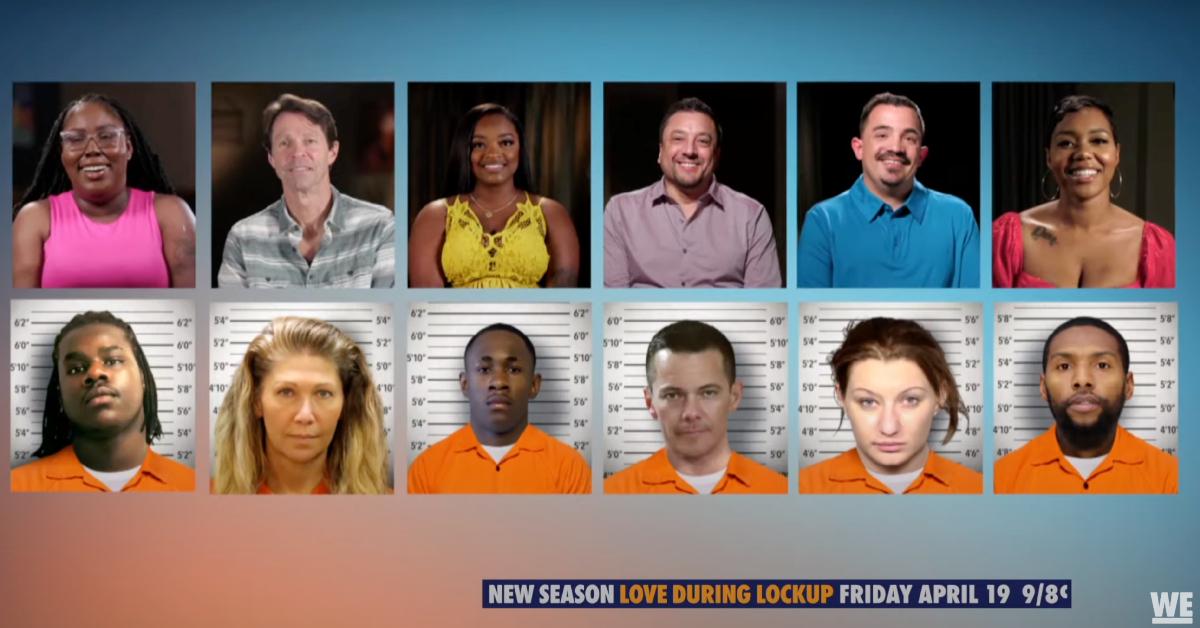
Drawing from cast interviews, producer details, fan discussions, and reports from sites like The Cinemaholic and Screen Rant, the answer is clear: the show starts with genuine stories but includes plenty of producer influence.
From Prison Pen Pals to Real-Life Romance: How Love After Lockup Finds Its Couples
The series began as an in-house idea at WE tv, born from an internal pitch session rather than an outside company. This gave producers freedom to focus on verifiable relationships that formed during incarceration, usually through letters or prison-approved visits.
Casting is thorough to keep things credible. Producers target non-violent offenders nearing release who show potential for positive change.
They verify prison records and relationship origins, no fake inmates or invented backstories. As explained in various cast and network insights, the goal is relatable people whose journeys highlight real post-incarceration struggles.
Production Techniques that add the “Reality TV” Polish

No evidence suggests the main cast are actors or that core events are entirely fabricated. Participants are real former inmates and their partners, with documented histories.
However, standard reality TV practices come into play. Cast members (typically the non-incarcerated partner) receive around $2,000 per episode, plus extras for reunions or specials, according to leaked contracts reported by Starcasm and other outlets. This can make people more willing to follow the producer’s suggestions.
Producers often guide scenes by suggesting locations, prompting discussions, or encouraging tension to improve the footage.
Reshoots occur when needed, and editing condenses hours of material, sometimes creating timeline jumps or heightening drama through selective cuts. Fans frequently spot clues, such as changes in appearance mid-“continuous” scene, as noted in Reddit discussions.
Insights From Cast, Fans, and Online Communities

Credit: © WE tv. Courtesy of Fox News / WE tv.
Former participants have described elements as “overdramatised,” with producers pushing for conflict. On Reddit’s r/loveafterlockup, threads are packed with observations: obvious reshoots, rehearsed entrances, and amplified arguments when cameras roll.
Many agree early seasons felt more organic (maybe 75-90% unfiltered), while later ones lean heavier on production tweaks.
X posts echo this; some call it “staged” outright, others note it’s exaggerated for TV. Still, the consensus holds: relationships and emotional stakes are real, even if the presentation gets enhanced.
Final Thoughts on The Show’s Reality’s level
Love After Lockup isn’t a scripted drama with hired actors, nor is it an untouched documentary. The prison backgrounds, meet-cutes, and core issues reflect true experiences, capturing genuine hardships of reintegration like the adjustment struggles, trust issues, and family tensions many ex-inmates face.
Producer involvement payments, prompts, reshoots, and editing create the polished, high-drama format that keeps viewers hooked, much like 90 Day Fiancé or similar shows. Ultimately, the show delivers a heightened but rooted-in-reality portrayal that highlights both the hope and the hurdles of love after prison.
If you enjoy authentic human stories with reality TV excitement, it’s worth watching. Just remember: what airs is a produced version of real life, not the complete, unedited truth.